
Themes


Human
Venue
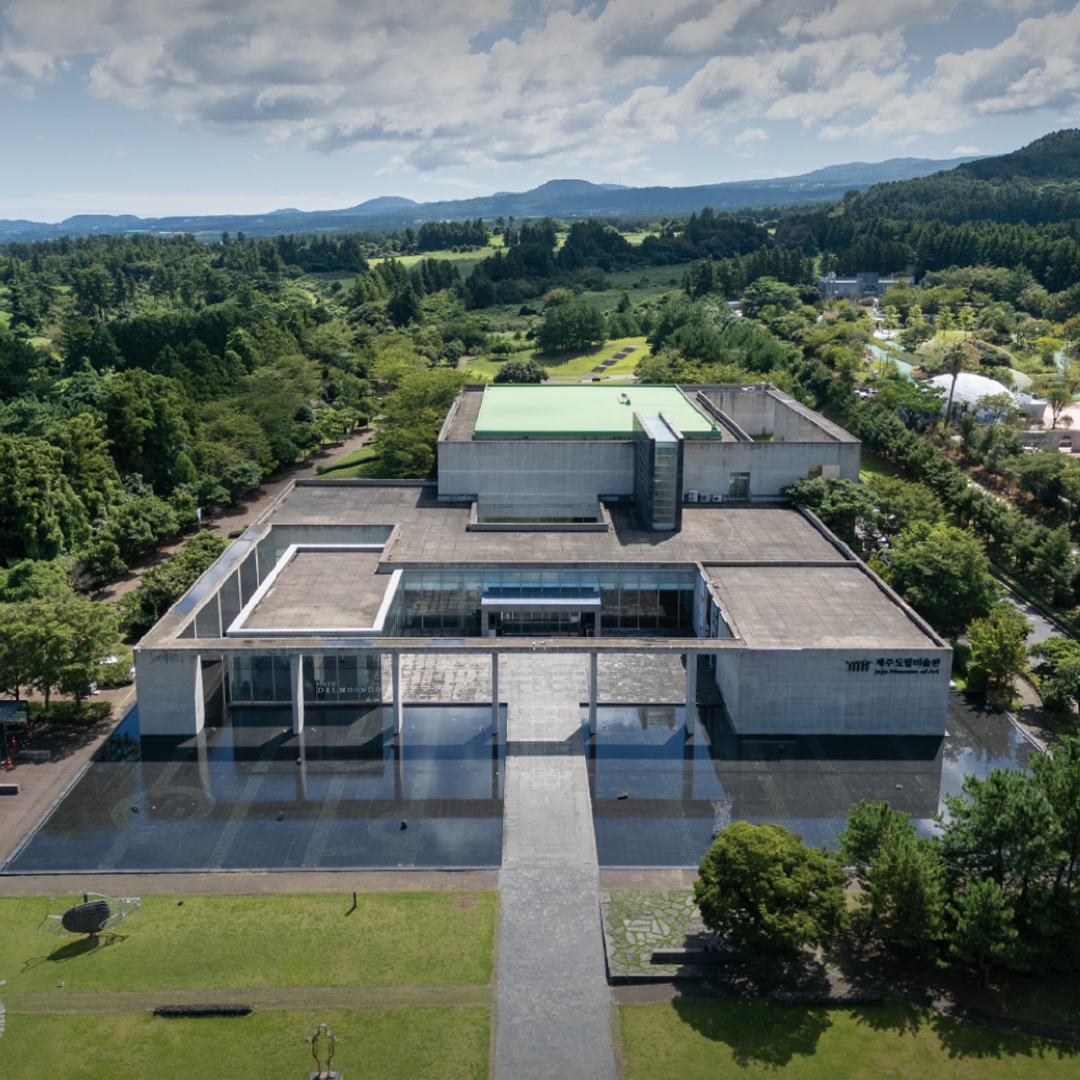
Jeju Museum of Art
Site Characteristics
A leading public art museum located in Jeju's mid-mountain region, the Jeju Museum of Art artistically interprets and expands the environmental, historical, and cultural identity of Jeju.
Key Concept
Exile: A Catalyst for Metamorphosis, Encountering the Roots of Being within Jeju's Milieu
Exhibition Overview
Historically, Jeju was an island of exile. Yet exile was not a state of rupture, but a passage through which origin and essence were rediscovered. Linking Chusa Kim Jeong-hui's aesthetics — embodied in the Chusa style and Sehando — to the aesthetics of Jol (拙) found in Jeju's formative sensibility, this section illuminates the lineage of Jeju aesthetics shaped by exile. It also reframes exile as political banishment and historical violence, expanding it into an international frame through a contemporary lens.
Participating Artists
Alaa EDRIS, Aslan GOISUM, BYUN Shi-ji, CHO Ki-seob, HAHN Ai-kyu, HONG Chong-myung, HONG Young-in, HYEON Jung-hwa, JEONG Kyop, Jeju MUNJADO, Jin-me YOON, KANG Kwang, KANG Tae-seok, KANG Yo-bae, KIM Jeong-hui, KIM Soo-hyun, KIM Young-hoon, LEE Hyun-tae, LEE Jin-kyung, LEE Joo, LEE Kang-so, LEE Kun-yong, LEE U-fan, LEE Ung-no, LIU Feng-zhi, OH Seok-hoon, PAIK Nam-june, Pier FABRE, ROH Ji-nah, SUH Se-ok, Theresa Hak-kyung CHA, Yeun-mi, YUN Hyong-keun
Stone
Venue
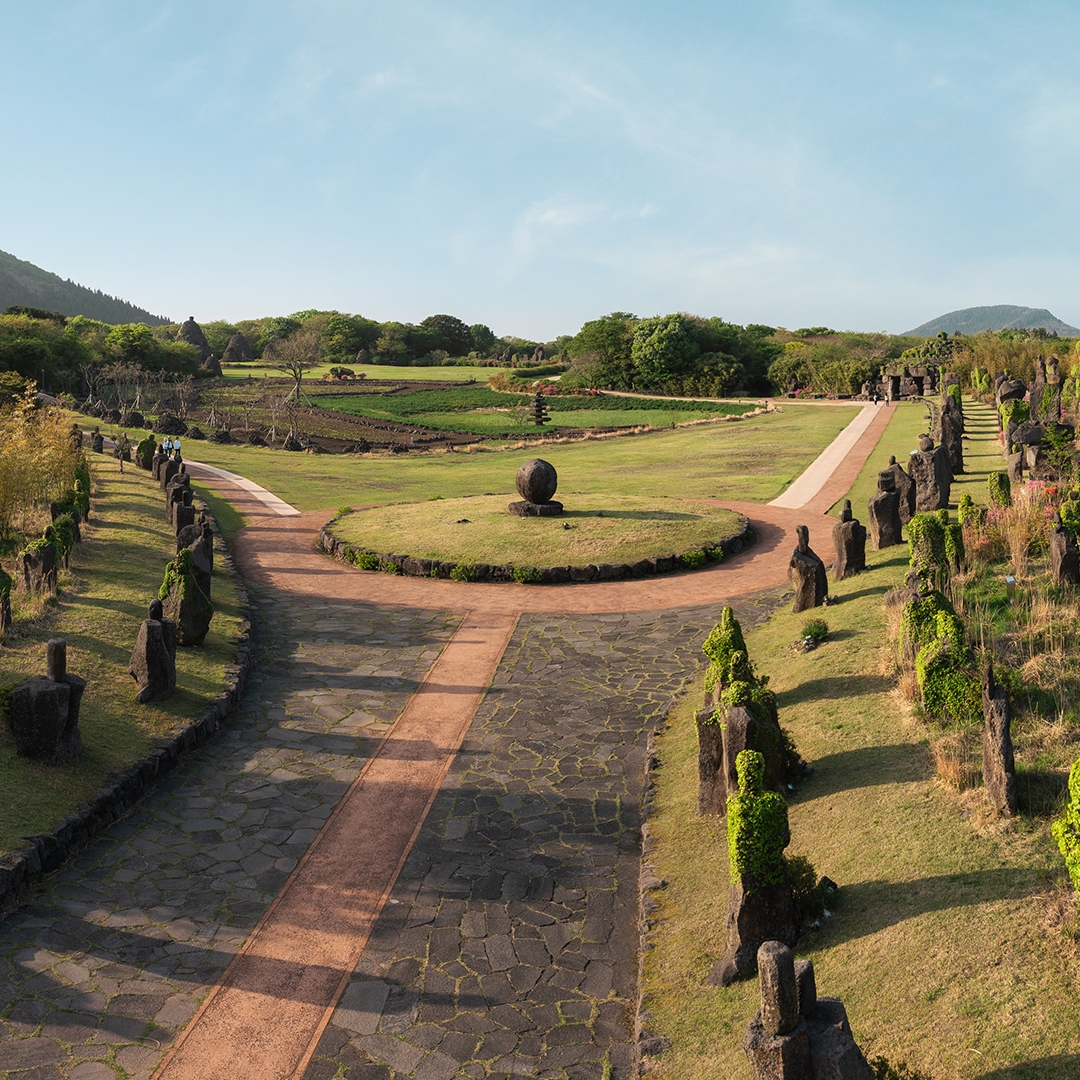
Jeju Stone Park (Obaekjanggun Gallery)
Site Characteristics
Jeju Stone Park is a historical and cultural site that gathers the roots of Jeju's human culture — including the myth of Seolmundae Halmang, the creator goddess of Jeju — around the stone culture that has shaped the island's formation and the foundation of life upon it.
Key Concept
From the Civilization of Stone to the Virtual World: An Organic Convergence of Matter, the Digital, and the Real
Exhibition Overview
Jeju is a land of stone, formed through volcanic activity. Basalt, both natural environment and the ground of everyday life, has extended into stone walls, Olle trails, and megalithic culture. Exploring through Jeju's stone culture the intersections of nature, humanity, and northern civilizations, the exhibition unfolds from body and matter through civilization to the virtual — opening an experience of multidimensional temporality and multilayered reality.
Participating Artists
Anushiye YARNELL (PAL Wales 2025), Gala Porras-KIM, KANG Moon-seok, KIM Hyun-sung, KIM Jung-hun, Masao OKABE + Chihiro MINATO, ROH Ji-nah, ROOMTONE, SONG Feel, Tsubasa KATO (PAL Wales 2025), YOO Ji-soo (PAL Jeju 2026)
Deities
Venue
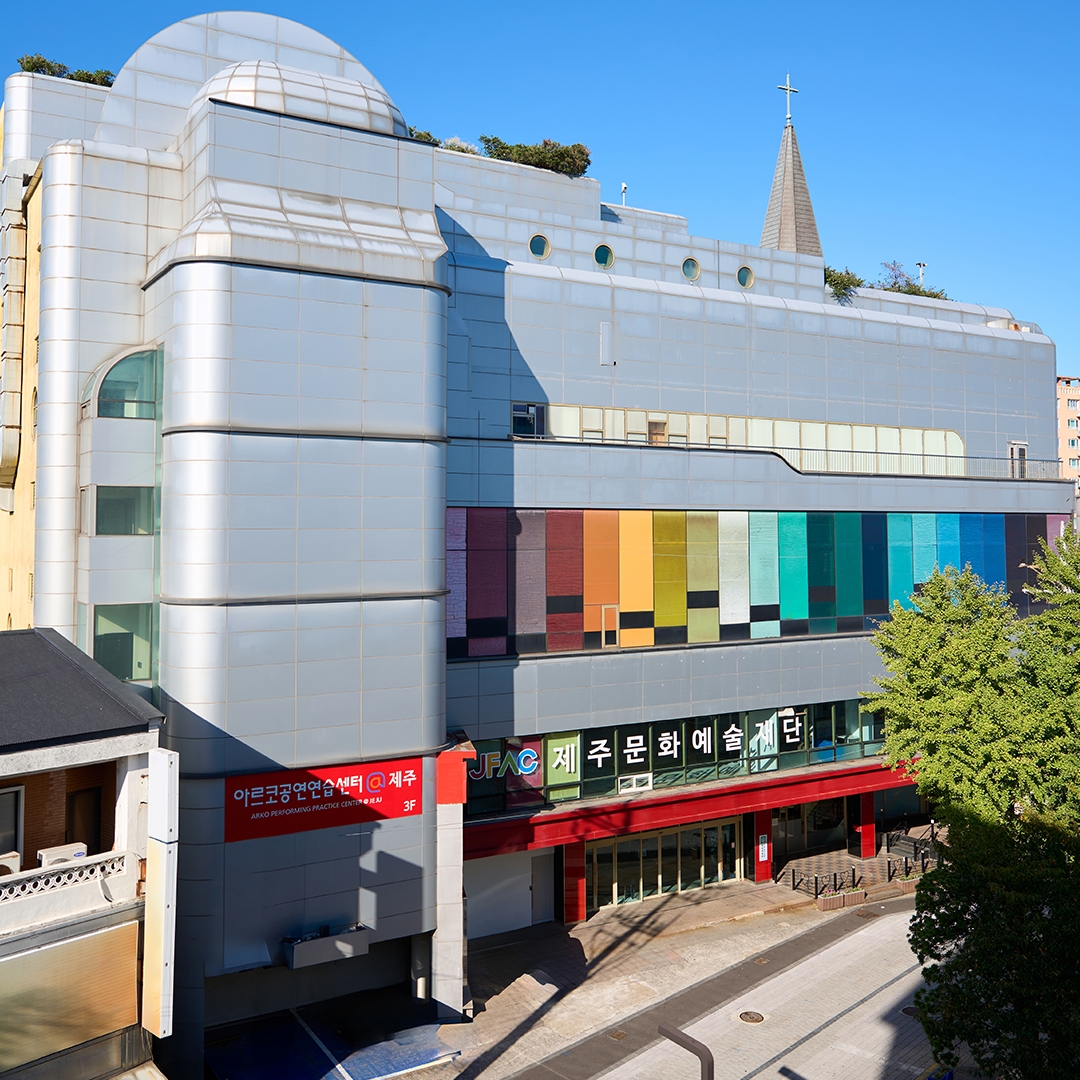
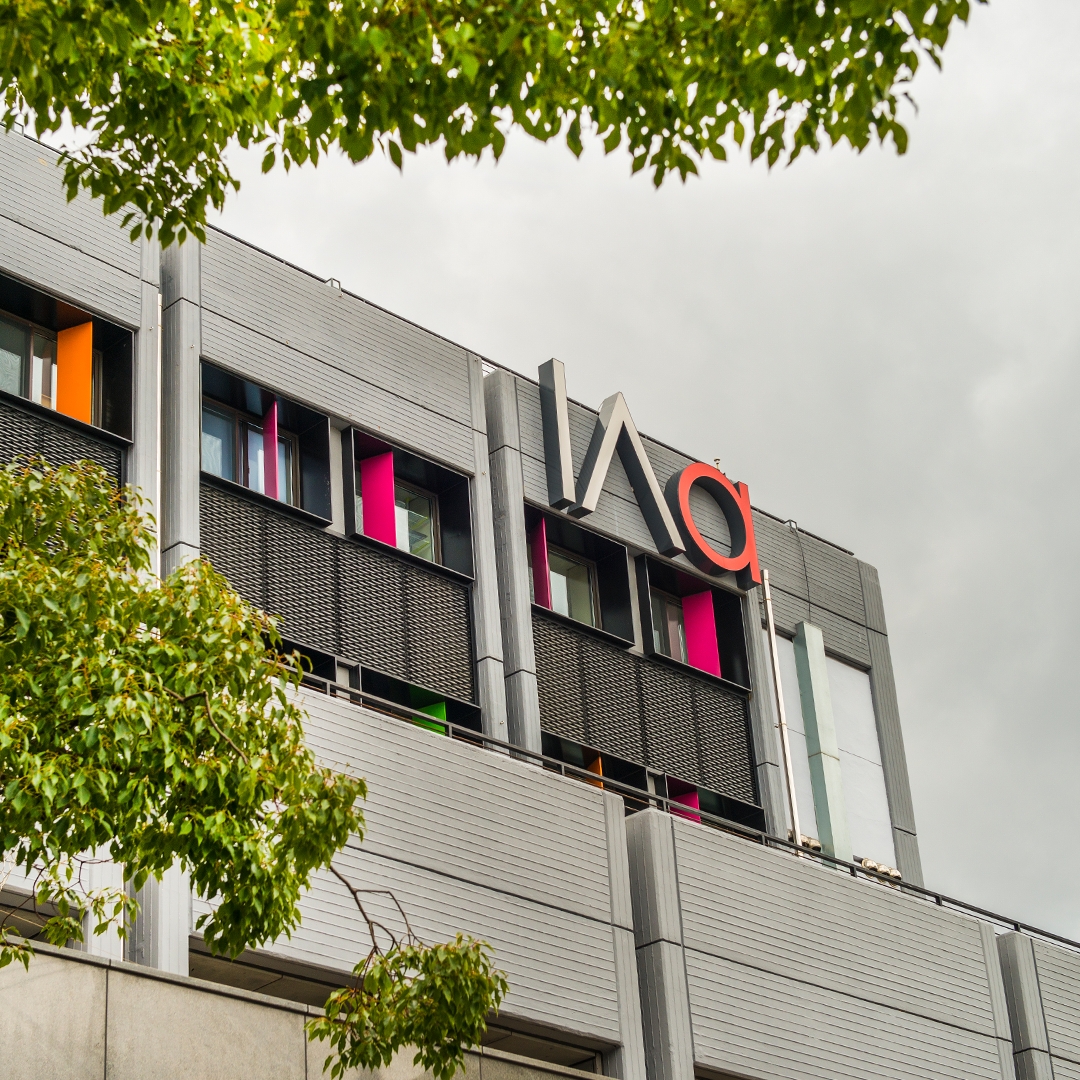
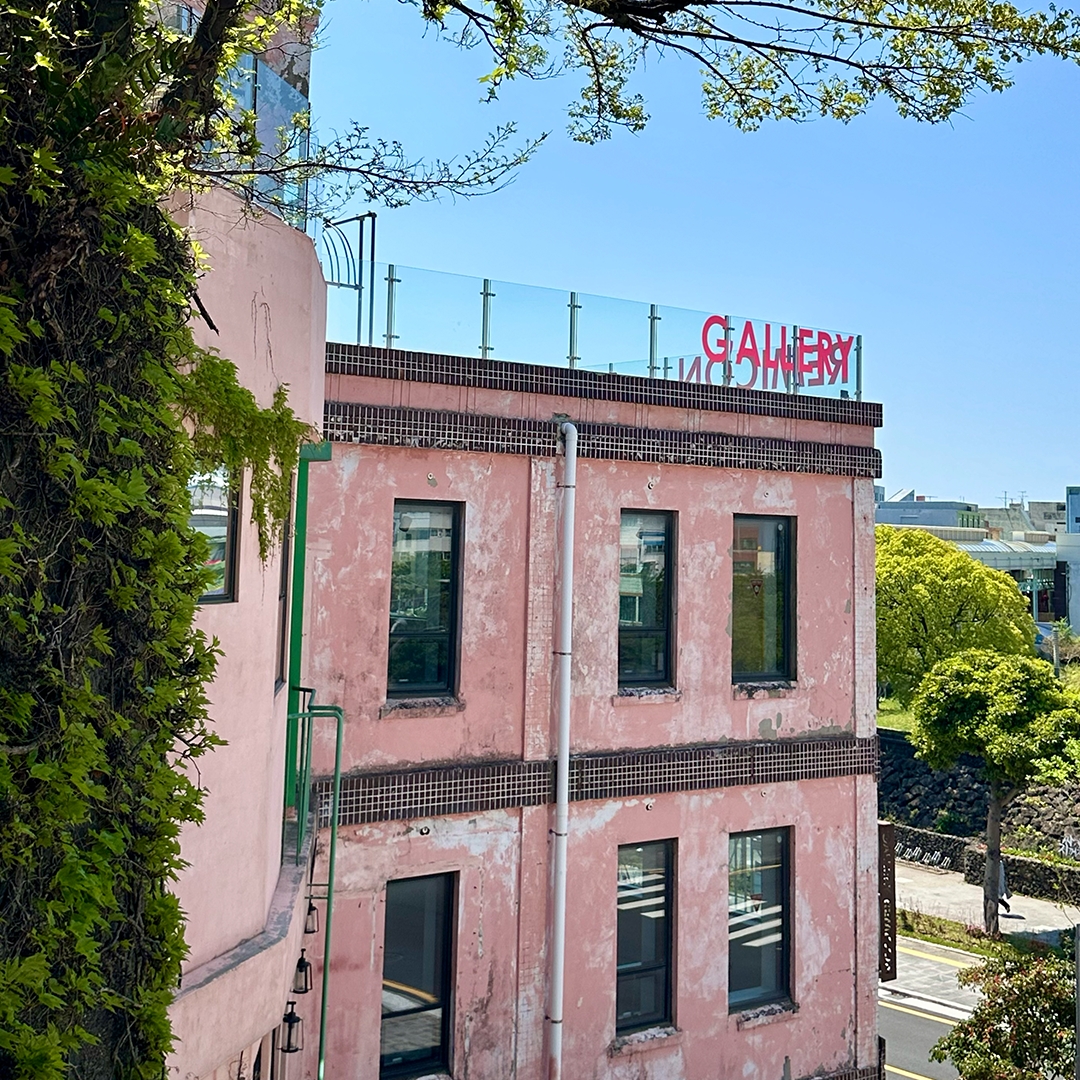
Jeju Old Downtown(Jeju Arts Platform, Art Space IAa, Gallery Remicon)
Site Characteristics
The Old Downtown has been Jeju's political, economic, and cultural center since the era of the Tamna Kingdom. As a site where Jeju's modern history is condensed, it is a core space of regional memory and lived experience.
Jeju Arts Platform
: Grounded in the placehood of the "theater," steeped in the memories of Jeju residents, this venue addresses the coexistence of human, nature, and the digital, forged through the embrace of present-day hardships.Art Space IAa
: Drawing on Jeju's polytheistic culture, this venue envisions contemporary totemism and polytheism, and the flow and rhythm of life through temporal overlay and metamorphosis — beyond the boundary of life and death.Gallery Remicon
: Following the Sanjicheon Stream as it flows through the Old Downtown to the sea, this venue realizes a multidimensional experiential art that engages both Jeju's present and its virtuality.Key Concept
Island of 18,000 Deities: A New Aesthetics of Coexistence from Jeju's Polytheistic Worldview
Exhibition Overview
Jeju is known as the "island of 18,000 deities." Its polytheistic culture — moving, changing, merging, and changing again — reflects the vibrancy and dynamism of communal life. Through this polytheism, the section illuminates Jeju’s opennesss and the multilayered force of its life in the language of art.
Participating Artists
AES+F (Art Space IAa), Almagul MENLIBAYEVA (Jeju Arts Platform), AN Jung-ju (Jeju Arts Platform), Ben RIVERS (Jeju Arts Platform), Bo WANG (Jeju Arts Platform), CHOI Min-hwa (Art Space IAa), Daria LIM (Jeju Arts Platform), Deborah STRATMAN (Jeju Arts Platform), GOO Gi-jeong (Gallery Remicon), HWI HWI (Jeju Arts Platform), INSPHERE (Art Space IAa), Jane Jin KAISEN (Art Space IAa), Jane Jin KAISEN (Art Space IAa), Jeju NAEWADAND MUSHINDO (Art Space IAa), Jennifer RAINSFORD (Jeju Arts Platform), KIM Hee-eun (Gallery Remicon), KIM Sang-don (Art Space IAa), KIM Young-hwa (Art Space IAa), Kano ENDO (Jeju Arts Platform), KWAK Yun-joo (Art Space IAa), Patricio GUZMÁN (Jeju Arts Platform), Riar RIZALDI (Jeju Arts Platform), Saodat ISMAILOVA (Jeju Arts Platform), Sean WANG (Jeju Arts Platform), SON Yu-jin (Art Space IAa), Vincent MORISSET + Caroline ROBERT(Jeju Arts Platform), Wael SHAWKY (Art Space IAa), YANG Jung-uk (Gallery Remicon), Zhanna KADYROVA (Jeju Arts Platform)